
Disaster Risk Reduction (DRR)
- Home
- Disaster Risk Reduction (DRR)

What we Do
Disaster Risk Reduction (DRR)
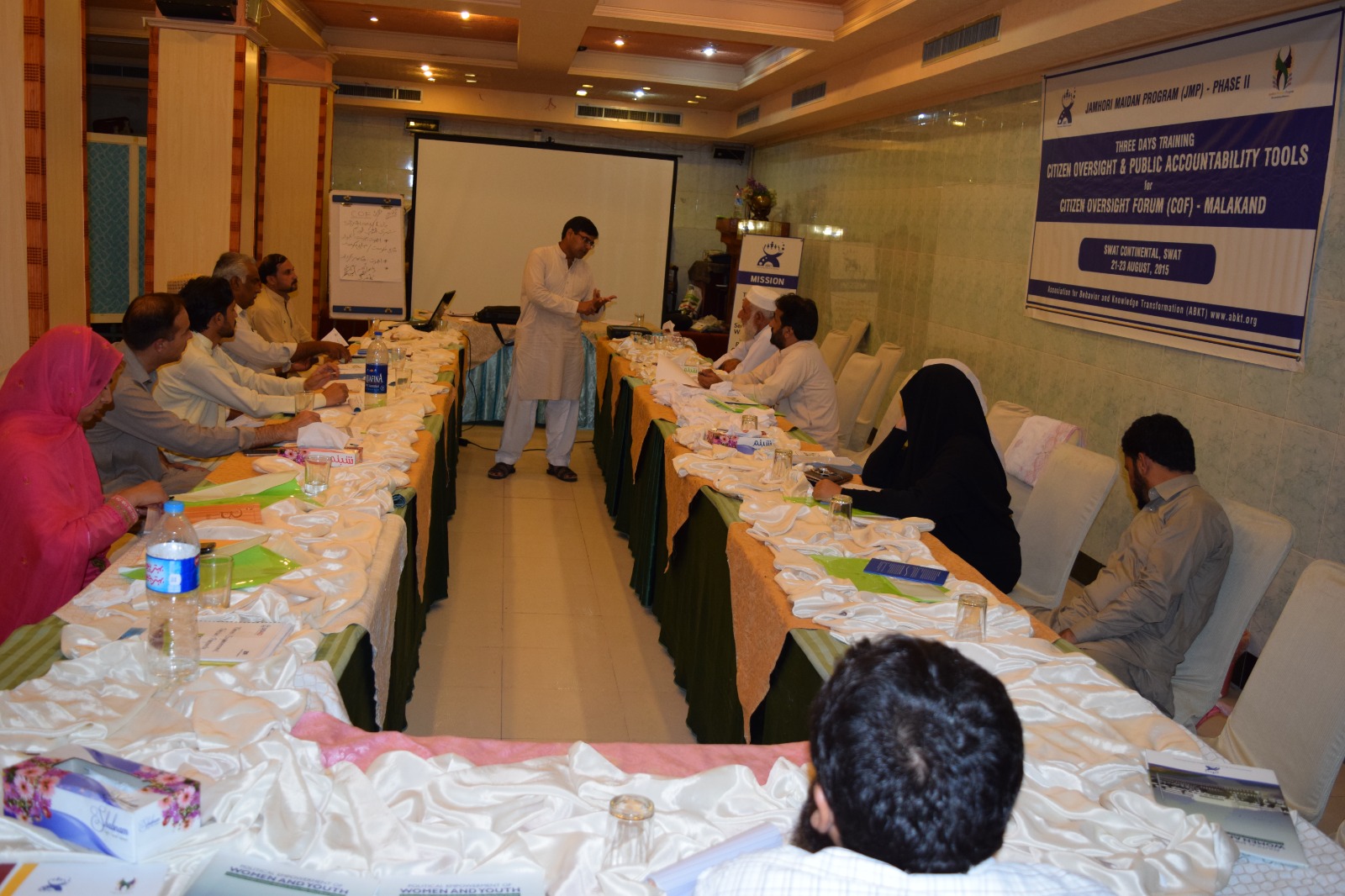
Pakistan is one of the most disaster-prone countries in the world. Floods, earthquakes, droughts, glacial lake outburst floods, landslides, and extreme weather events are not exceptional occurrences here. They are recurring realities that communities, particularly the poorest and most vulnerable ones, have learned to live with, often with very little support. IDRAC’s work in disaster risk reduction is shaped by that reality and by a conviction that communities should not simply be helped to recover from disasters but supported to reduce their exposure and build their resilience before the next one arrives.Our engagement in this area spans research, capacity building, community-level work, and policy engagement. We have conducted hazard and vulnerability assessments, stakeholder capacity assessments, and situational analyses in some of Pakistan’s most at-risk areas, including Khyber Pakhtunkhwa, Gilgit-Baltistan, and conflict-affected districts where disaster risk compounds other existing vulnerabilities. This work has involved engagement with federal and provincial disaster management authorities, line departments, local government bodies, communities, and international organisations working in the DRR space.
We also work on the institutional and policy dimensions of disaster risk. This includes supporting government departments and civil society organisations in understanding their roles and responsibilities within national and international DRR frameworks, including the Sendai Framework for Disaster Risk Reduction. We help development practitioners and local officials integrate risk reduction thinking into their planning and programming rather than treating it as a separate or specialist concern.A particular area of interest for us is the intersection of disaster risk and education. Schools are often among the most affected institutions when disasters strike, and children among the most vulnerable. We have contributed toaround school safety, the continuity of learning during and after emergencies, and the mainstreaming of disaster risk awareness into school curricula.Across all of our DRR work, we try to centre the communities most exposed to risk. They are rarely the ones who caused the conditions that make them vulnerable, and they are almost always the ones who bear the heaviest cost when disasters occur. Our work tries to take that seriously, supporting locally grounded, practically useful approaches to risk reduction that build on what communities already know and are already doing.thinking and advocacy