
Education
- Home
- Education

What we Do
Education
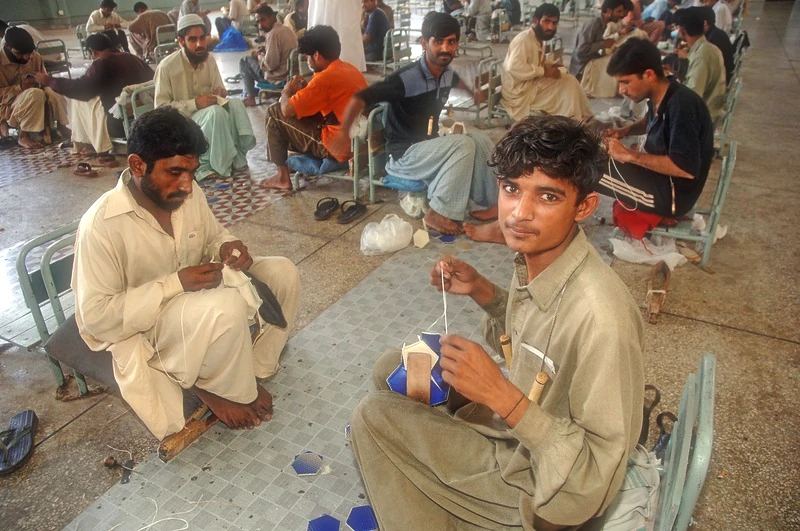
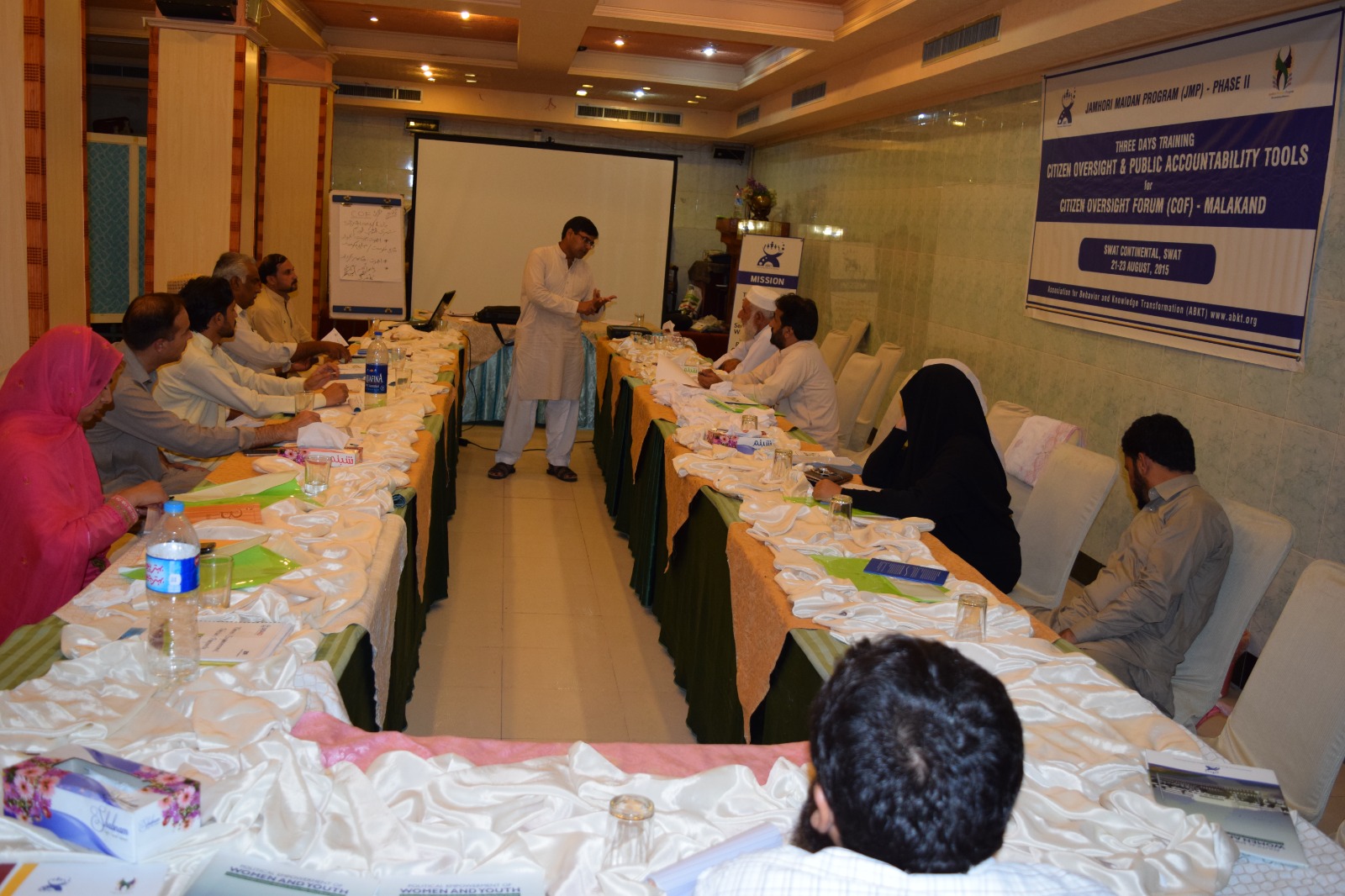
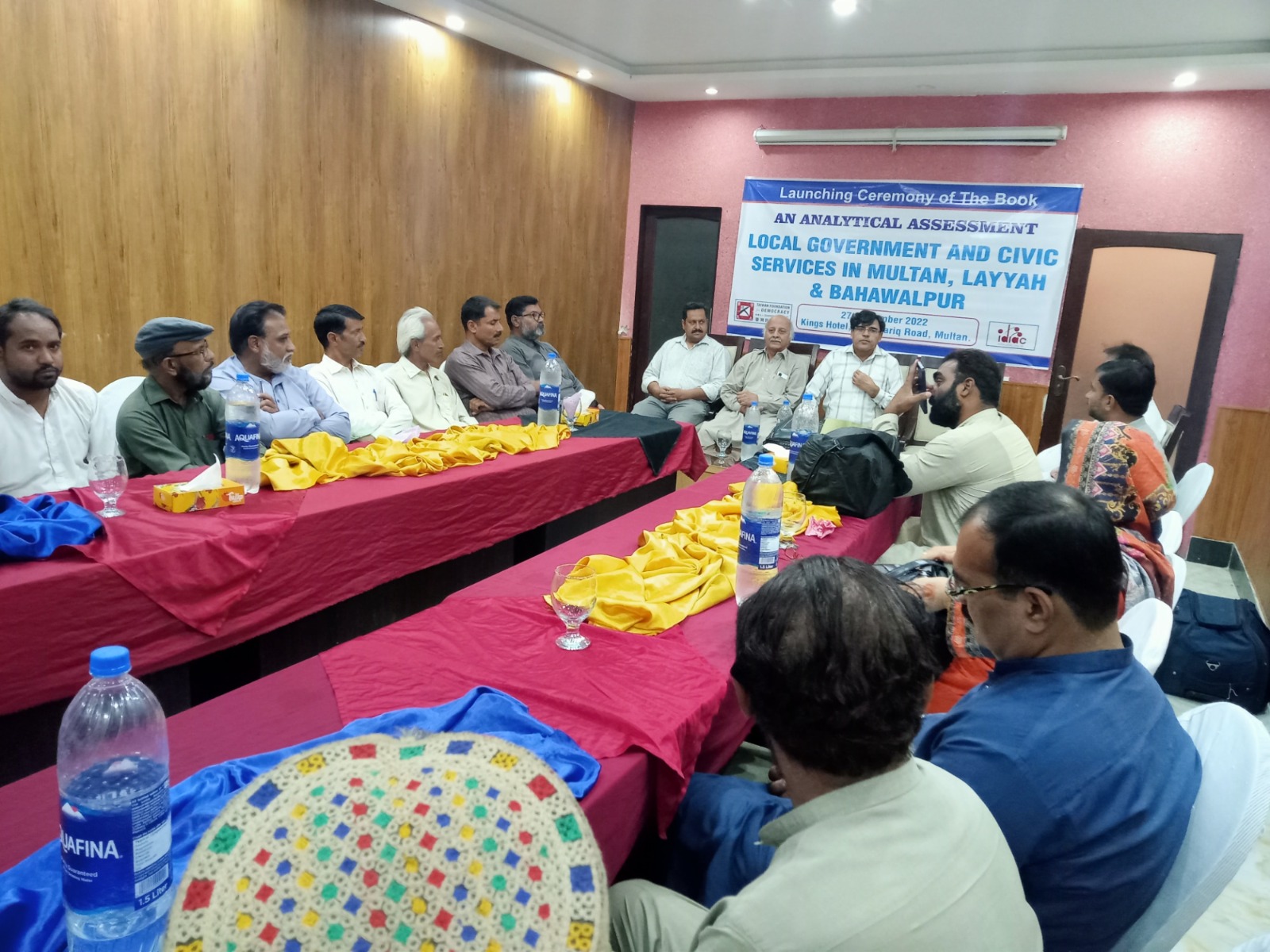
Education has been a consistent and significant part of our work over the years. We have engaged with it as a researcher, analyst, and policy advisor, contributing to studies, assessments, and advocacy efforts across Pakistan and, to a lesser extent, the broader South Asian region. Our work has taken place at different levels, from national curriculum and policy review to field-based research in underserved and conflict-affected communities. We do not claim to have all the answers, but we bring serious, sustained attention to the questions that matter most: who is being left out of education, why, and what can realistically be done about it.
Our focus has spanned several interconnected areas. We have engaged with education policy at the national and provincial level, examining curriculum content, medium of instruction, and the gap between policy intentions and classroom realities.
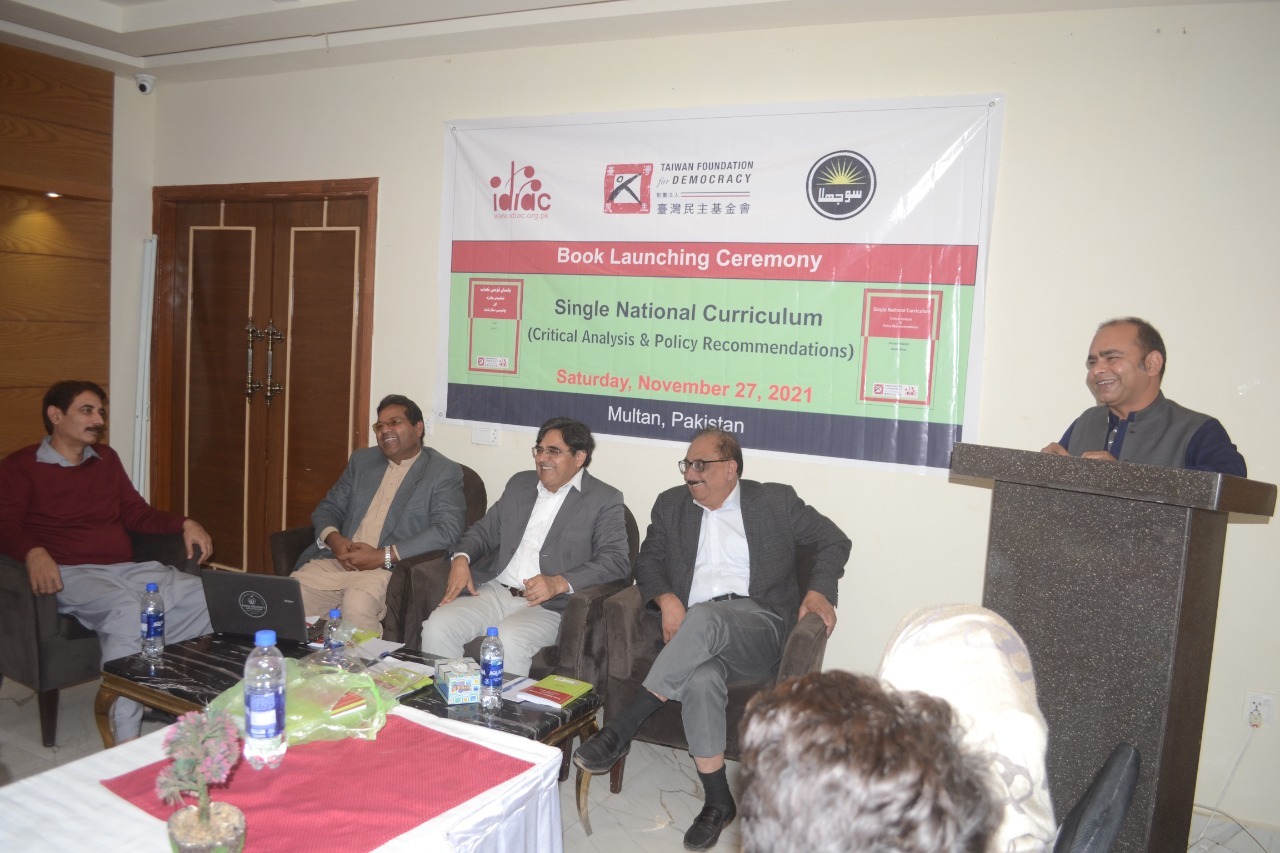
One of our most meaningful pieces of work has been a close and critical analysis of the Single National Curriculum, where we examined whether the ambition of one unified system of education can genuinely deliver equal prospects for all children across Pakistan’s diverse streams, regions, and socioeconomic backgrounds, and what it means in practice for provinces operating under the 18th Constitutional Amendment. Beyond curriculum, some of our significant work has also been in areas where access to education is genuinely difficult, including conflict-affected districts, high-poverty communities, and settings where girls’ schooling remains deeply constrained. We have also looked at the relationship between child labour and school dropout, and at the broader question of whether children who are enrolled are actually learning, and what factors such as teacher presence and school infrastructure shape that experience. Additionally, we have contributed to thinking on how disaster risk can be factored into school planning and curricula, particularly relevant in a country as hazard-prone as Pakistan.In terms of how we work, we use a mix of qualitative and quantitative methods including interviews, focus groups, surveys, and document review. We try to speak with the people most affected, not just officials and administrators, and we aim to produce work that is honest and practically useful.Our education work has been supported by and conducted in partnership with organisations including UNICEF, UNDP, ILO, UNODC, Norwegian Red Cross, the International Red Cross and Red Crescent Movement, Oxfam, The Asia Foundation, Oxford Policy Management, Equal Rights Trust (UK), IBON International, Taiwan Foundation for Democracy, USAID, and various national civil society organisations and government bodies in Pakistan. We continue to follow education debates closely through research, writing, and active engagement with civil society platforms working on education across the country.