Poverty Reduction

Poverty in Pakistan is persistent, widespread, and deeply unequal in how it is distributed across regions, communities, and social groups. It is also multidimensional. Income poverty is real and significant, but it sits alongside and is reinforced by deprivations in education, health, housing, access to justice, and political participation that together keep people trapped in conditions of vulnerability across generations. IDRAC’s approach to poverty reduction takes this complexity seriously and resists the temptation to reduce poverty to a single measure or a single solution.

We believe that poverty is not simply the result of individual circumstance or lack of effort. It is produced and reproduced by structures, policies, and systems that distribute resources, opportunities, and power unequally. Addressing it meaningfully therefore requires engaging with those structures and not only with their symptoms. Our work in poverty reduction is oriented towards understanding the structural dimensions of poverty in the specific contexts we work in, and supporting the communities, organisations, and institutions that are working to change them.

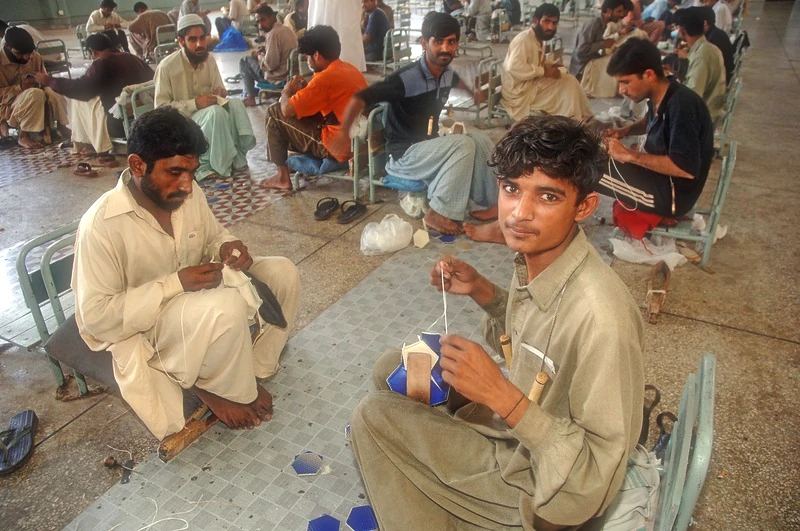
In practical terms, our work touches on issues including livelihood support, access to basic services, social protection, women’s economic empowerment, and community-level resilience. We also engage with poverty through our research and policy work, contributing evidence and analysis to conversations about how development resources are allocated, how social protection systems can be strengthened, and how the voices of people living in poverty can be more meaningfully included in the decisions that affect their lives. We do not claim to have a formula for ending poverty, but we are committed to working alongside communities and partners who are serious about reducing it.