
Right To Livelihood, Food And Land Rights
- Home
- Right To Livelihood, Food And Land Rights
What we Do
Right to Livelihood, Food and Land Rights
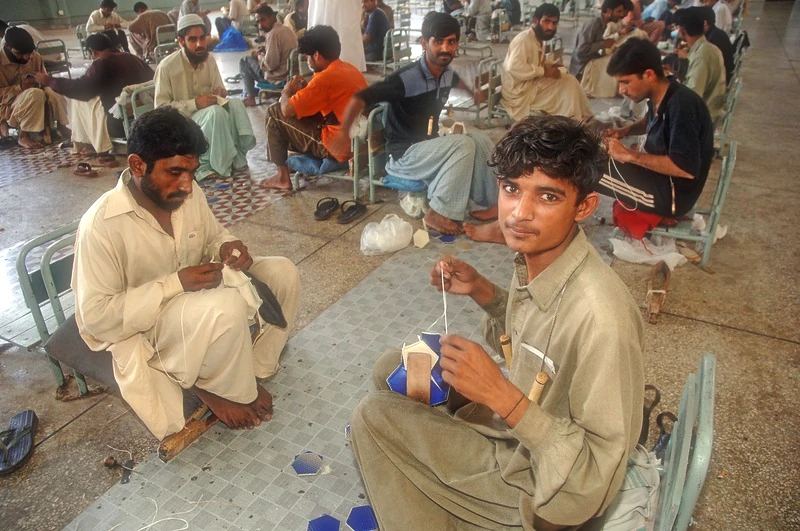
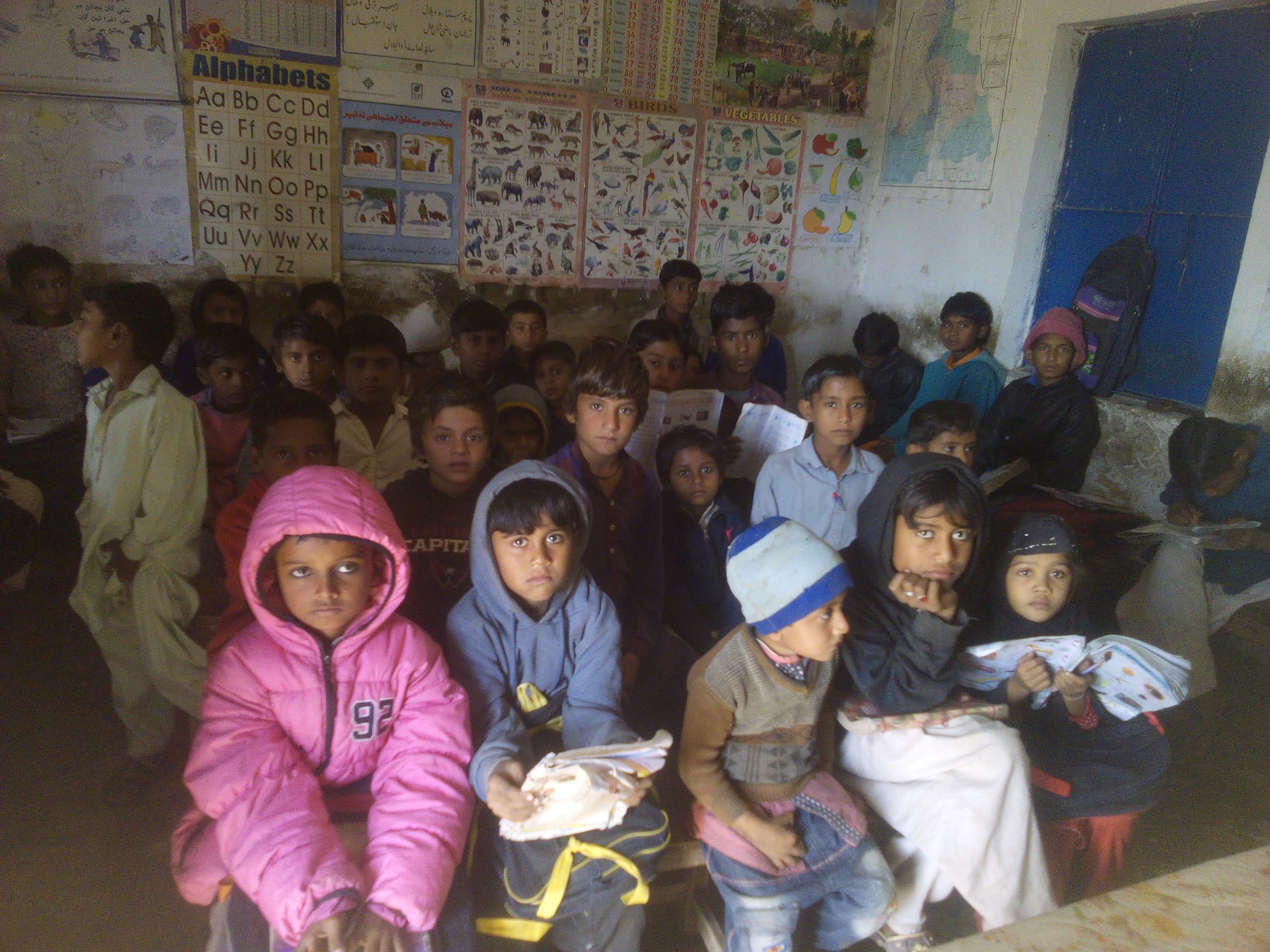
The right to earn a decent living, to have enough food, and to have secure access to land are among the most fundamental conditions of a dignified human life. In Pakistan, these rights remain out of reach for a significant portion of the population, particularly in rural areas where landlessness, food insecurity, and the precariousness of agricultural livelihoods define the daily reality of millions of people. IDRAC’s work in this area is rooted in the conviction that livelihood, food, and land are not simply economic questions. They are rights, and they deserve to be treated as such.Land rights in Pakistan are complicated by deeply entrenched feudal structures, weak land tenure systems, customary arrangements that often disadvantage women and minority communities, and the growing pressure of climate change and development projects that displace communities from the land they depend on. We engage with these issues carefully and with an awareness of how contested and sensitive they are, supporting communities and civil society organisations in understanding and asserting their rights within the frameworks available to them.
On food rights, our concern is not only with whether people have enough to eat today but with the systems, policies, and power structures that determine who produces food, on what terms, and who benefits. Smallholder farmers, landless agricultural workers, and rural women are often the most exposed to food insecurity while simultaneously being the most important contributors to food production. Our work tries to reflect and support that reality.For livelihoods more broadly, we engage with the question of what it means for people to have not just any income but a sustainable, dignified, and secure means of supporting themselves and their families. This includes work on agricultural livelihoods, natural resource-based livelihoods, skills development, and the particular challenges facing communities whose traditional livelihoods are being undermined by climate change, displacement, or economic marginalisation. Across all of these areas, our approach is to work with communities as partners in identifying problems and pursuing solutions rather than arriving with predetermined answers.